Understanding Adversarial Simulation
In the ever-evolving landscape of cybersecurity, organizations face an escalating tide of complex threats. The introduction of adversarial simulation has emerged as a critical strategy to confront these challenges head-on. This methodology goes beyond traditional security assessments, offering insights into both technical vulnerabilities and human factors that attackers exploit. By simulating real-world attack scenarios, companies can effectively evaluate their defenses and improve incident response capabilities, ensuring that they are not just prepared for the known threats but also adaptable to unforeseen challenges.
What is Adversarial Simulation?
Adversarial simulation is a structured approach designed to mimic the actions of potential adversaries. This practice involves replicating tactics, techniques, and procedures (TTPs) used by real-world attackers to test an organization’s security posture. Unlike more conventional penetration testing, which often focuses solely on identifying exploitable vulnerabilities, adversarial simulation encompasses a broader perspective, which includes the interaction between people, processes, and technologies during an attack.
Key Differences from Adversarial Emulation
While often used interchangeably, adversarial simulation and adversarial emulation serve distinct purposes within the cybersecurity domain. Adversarial emulation is focused on mirroring the behavior of specific threat actors to gauge how well an organization can withstand their specific strategies. In contrast, adversarial simulation is more about exploring various attack paths without necessarily modeling one specific adversary. This nuanced approach allows organizations to gauge their overall security resilience across multiple scenarios, providing a fresh perspective on threat evaluation.
Importance of Realistic Testing
The necessity of conducting realistic testing cannot be overstated. Cyber attackers continuously innovate their methods, adapting to defensive measures. It's imperative that organizations employ methods that not only identify vulnerabilities but also forecast potential attack vectors based on current TTPs observed in the wild. By utilizing an adversarial simulation framework, businesses can effectively prepare for new threats, testing both their technical controls and their human operators’ responses under pressure.
Services Offered in Adversarial Simulation
Adversarial simulation encompasses a variety of specialized services that closely examine different facets of an organization’s security posture. The main components include phishing simulations, red team assessments, and purple team assessments, each designed to provide unique insights into an organization's strengths and weaknesses.
Phishing Simulation's Role in Cybersecurity
Phishing simulations serve as a front-line defense training tool, exposing employees to simulated phishing attacks. These exercises are crucial in measuring employee awareness and vulnerability to real-world phishing techniques. By design, phishing simulations replicate the tactics attackers use to lure individuals into divulging sensitive information. By analyzing employee responses, organizations can fine-tune their security awareness training programs, ensuring that their workforce is adequately prepared to identify and respond to real phishing attempts.
Red Team Assessments Explained
Red team assessments simulate full-scale attacks, often carried out without the pre-knowledge of internal security teams. This method tests the organization's resilience against determined adversaries, attempting access through multiple vectors. Red teams employ sophisticated techniques to determine whether security measures are effective in detecting and responding to breaches. The information garnered aids in refining defensive strategies, identifying any operational gaps, and enhancing overall organizational resilience.
Collaborative Purple Team Assessments
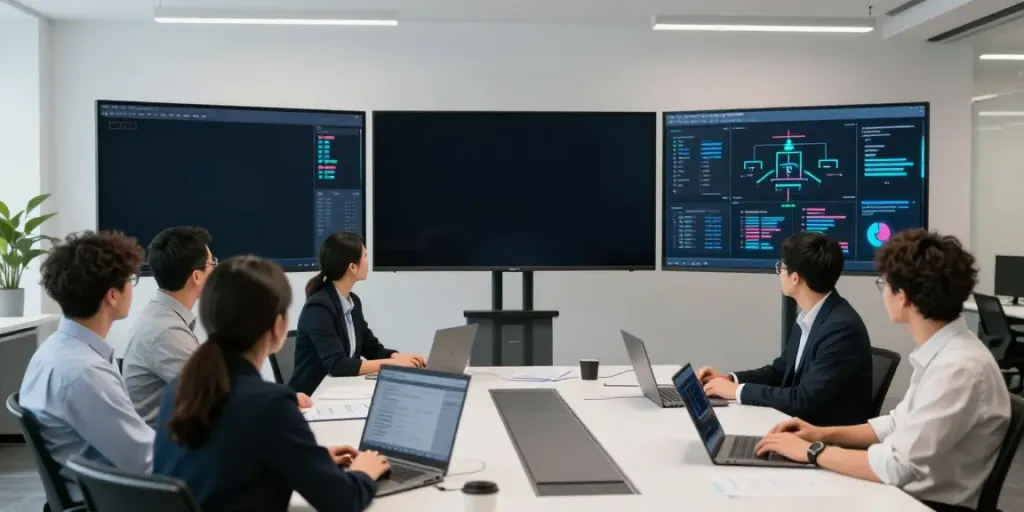
Purple team assessments integrate both offensive (red) and defensive (blue) tactics into a collaborative exercise. This transparency allows teams to work together, sharing insights and results in real-time, enhancing mutual understanding of detection performance and incident response processes. By examining the various stages of the attack cycle together, organizations can significantly improve their threat detection capabilities and ensure that alerts triggered during an attack are actionable and effectively triaged.
Choosing the Right Service
Selecting the appropriate adversarial simulation service is pivotal for organizations with varying security objectives. Understanding the key distinctions between different offerings helps security professionals make informed decisions tailored to their specific needs.
Adversarial Simulation vs Penetration Testing
While both adversarial simulation and penetration testing aim to strengthen security defenses, their approaches diverge significantly. Penetration testing primarily focuses on identifying known vulnerabilities within specific systems and providing a report on exploitability. In contrast, adversarial simulation evaluates organizational performance against realistic attack behaviors. This broader perspective assists teams in understanding their capability to respond not just to technical flaws but also to human vulnerabilities and process inadequacies.
When to Use Each Approach
Understanding when to use adversarial simulation versus penetration testing is crucial. Organizations that are in the early stages of their security journey may benefit more from penetration testing to identify critical vulnerabilities. As maturity increases, shifting focus to adversarial simulation allows for a more comprehensive evaluation of security readiness in the face of nuanced threats. Companies wishing to measure their incident response capabilities in real-world scenarios should prioritize adversarial simulation, while those needing to establish a baseline understanding of vulnerabilities should consider penetration testing.
Evaluation Criteria for Service Selection
When selecting an adversarial simulation service, organizations should consider several factors, including the scope of testing, the types of potential threats faced, and the specific objectives set forth by the business. Criteria can include:
- Technical Scope: Assess whether the service offers coverage across the relevant technical domains.
- Assessment Diversity: Check for services that encompass all layers, from network infrastructure to user behavior.
- Compliance Requirements: Ensure compliance with industry regulations and standards relevant to the organization.
- Reporting Capabilities: Evaluate the comprehensiveness and clarity of the final reports, including actionable insights.
Enhancing Cyber Defense Through Adversarial Techniques
Employing adversarial simulation techniques not only uncovers vulnerabilities but also enhances an organization’s overall security posture, thereby increasing resilience against ever-evolving threats.
Operational Resilience and Cybersecurity
An organization’s ability to adapt and respond to a cyber incident plays a critical role in its operational resilience. Through adversarial simulation, organizations can test their response plans effectively, identifying where gaps may exist and adjusting accordingly. This proactive stance allows companies to cultivate a security culture that prioritizes both prevention and responsive action.
How to Measure Employee Response
Key performance indicators (KPIs) derived from adversarial simulations can provide deep insights into employee responses during security incidents. Metrics could include:
- Time taken to report suspicious incidents.
- Proportion of correct responses to simulated phishing attempts.
- User-friendly metrics reflective of training effectiveness.
Regular evaluations paired with ongoing training initiatives can help shore up weak areas, ensuring that employees remain vigilant against real threats.
Leveraging Insights for Continuous Improvement
Post-assessment reviews should foster an environment of continuous improvement. Insights gathered from adversarial simulations serve to inform updated policies, enhance security training modules, and refine incident response protocols. By fostering this learning mentality, organizations can adapt their strategies effectively, staying resilient against emerging threats.
Future Trends in Adversarial Simulation
The field of adversarial simulation is rapidly evolving, influenced by advancements in security technology, regulatory changes, and the growing sophistication of cyber threats.
Emerging Technologies Impacting Adversarial Testing
As technologies progress, adversarial simulation practices will incorporate more advanced tools and techniques. The rise of automation and machine learning in threat detection mechanisms is transforming how organizations approach cybersecurity. Tools that provide real-time behavioral analysis and can adapt to new threats will be pivotal for effective adversarial simulations.
Integration of AI/ML in Adversarial Simulation
The integration of artificial intelligence (AI) and machine learning (ML) into adversarial simulation will lead to more nuanced and realistic testing scenarios. AI-driven tools can analyze vast amounts of data for behavioral patterns, allowing for adaptive simulations that reflect the current threat landscape. This evolution in adversarial simulation enables organizations to stay ahead of potential attackers by anticipating their actions and testing responses accordingly.
Compliance and Regulatory Considerations
As cybersecurity regulations tighten, organizations must ensure their adversarial simulation efforts align with industry compliance standards. Regular simulation exercises will become essential not only for internal resilience but also for meeting regulatory obligations. Keeping abreast of changing compliance landscapes will be a vital aspect of developing these testing frameworks.
What to Expect in the Future of Cyber Defense
As adversarial simulation methodologies continue to gain traction, organizations can expect more collaborative frameworks between offensive and defensive teams. The evolution of cybersecurity culture will emphasize integrated teams working in concert to strengthen organizational resilience. Furthermore, developing partnerships with threat intelligence providers will allow for sophisticated simulations reflective of real-world attack trends.
FAQs
How Does Adversarial Simulation Improve Security?
Adversarial simulation improves security by providing a realistic assessment of how an organization would perform under an attack. This proactive testing approach helps identify vulnerabilities across human behaviors, technical defenses, and incident response processes, enabling targeted improvements.
What Skills Are Needed for Effective Adversarial Testing?
Effective adversarial testing requires a blend of technical skills, including proficiency in cybersecurity tactics, knowledge of programming languages for scripting tests, and strong analytical capabilities to interpret the results of testing simulations. Additionally, skills in communication and team collaboration are essential for fostering a holistic security environment.
Are There Specific Tools for Adversarial Simulation?
Yes, various tools facilitate adversarial simulation, ranging from comprehensive penetration testing frameworks to specific solutions for phishing simulations, red team engagements, and purple team assessments. Tools like Metasploit, BloodHound, and Burp Suite are widely used in the field to identify vulnerabilities and simulate attacks.